
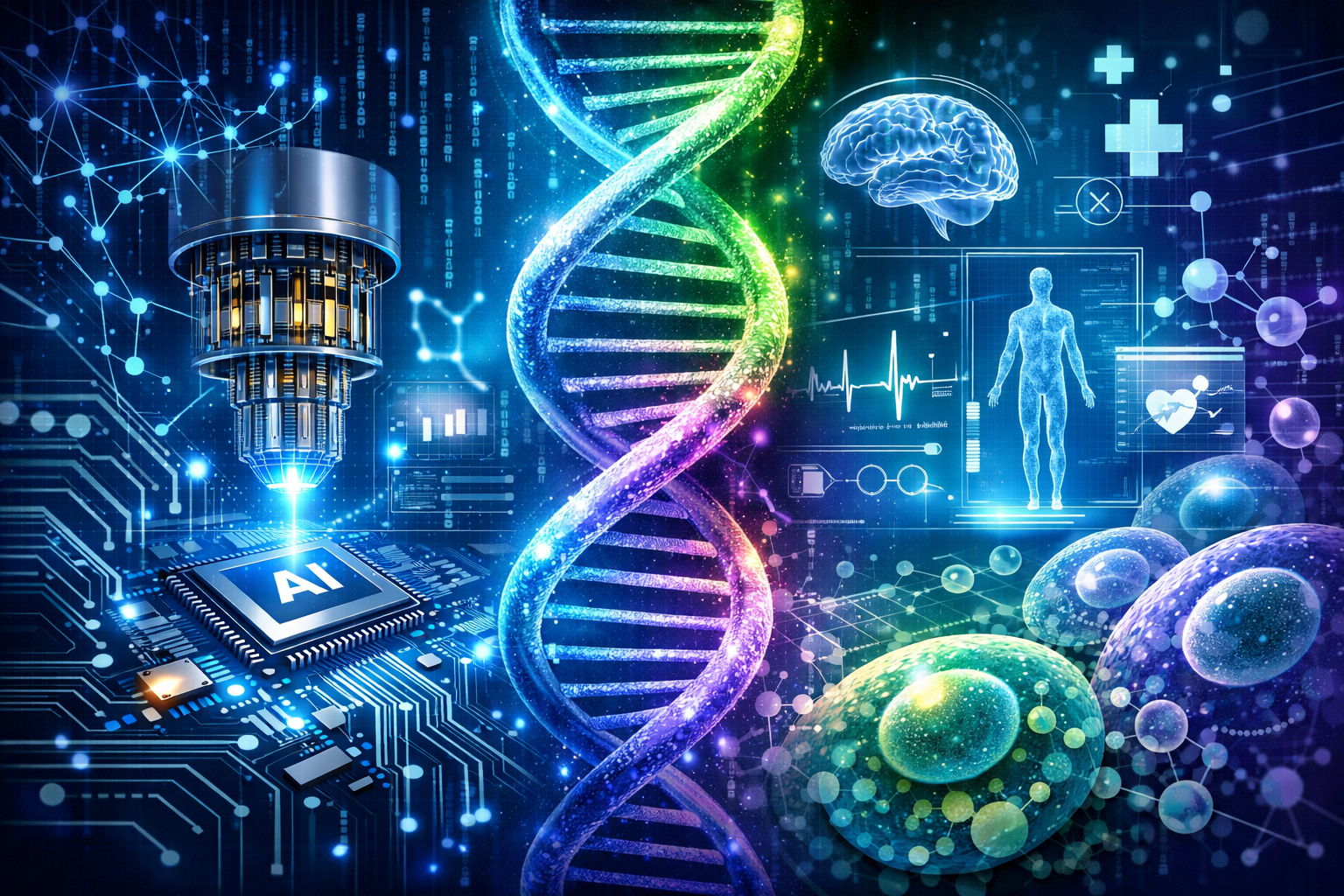
Next-Generation Computing & Bioengineering: Shaping the Future of Humanity
Next-Generation Computing & Bioengineering are redefining how humans interact with technology, medicine, and biology. As computational power evolves beyond traditional systems and biological sciences merge with engineering principles, we are entering an era where machines think faster, bodies heal smarter, and innovation mimics life itself. This powerful convergence is not science fiction—it is the foundation of the future.
Understanding Next-Generation Computing
What Is Next-Generation Computing?
Next-generation computing refers to advanced computing technologies that go beyond classical computing systems. These technologies are designed to solve complex problems faster, smarter, and more efficiently than ever before.
Key characteristics include:
- Extremely high processing speed
- Advanced data handling capabilities
- Intelligent decision-making
- Energy-efficient architectures
These systems are critical for handling massive datasets, complex simulations, and real-time analytics.
Key Types of Next-Generation Computing
Quantum Computing
Quantum computers use qubits instead of bits, allowing them to process multiple possibilities simultaneously. This makes them ideal for drug discovery, cryptography, and climate modeling.
Neuromorphic Computing
Inspired by the human brain, neuromorphic computing mimics neural structures to improve learning, pattern recognition, and energy efficiency.
Edge Computing
Edge computing processes data closer to its source, reducing latency and improving real-time decision-making in healthcare devices and bioengineering systems.
AI-Driven Computing
Artificial intelligence enhances computing systems by enabling automation, predictive analytics, and self-learning capabilities.
What Is Bioengineering?
Defining Bioengineering
Bioengineering is the application of engineering principles to biological systems. It combines biology, chemistry, physics, and computing to develop innovative solutions for healthcare, agriculture, and environmental sustainability.
Bioengineering bridges the gap between technology and life sciences.
Major Fields of Bioengineering
- Biomedical engineering
- Genetic engineering
- Tissue engineering
- Synthetic biology
- Neural engineering
Each of these fields benefits immensely from next-generation computing technologies.
The Powerful Convergence of Next-Generation Computing & Bioengineering
The integration of Next-Generation Computing & Bioengineering is unlocking unprecedented capabilities. Advanced computing systems process vast biological data, enabling breakthroughs that were previously impossible.
This synergy allows scientists to:
- Decode genetic information faster
- Simulate biological processes accurately
- Design personalized medical treatments
- Create bio-inspired machines
Applications in Healthcare and Medicine
Personalized Medicine
Next-generation computing enables the analysis of individual genetic profiles, allowing doctors to create personalized treatment plans tailored to each patient’s biology.
Benefits include:
- More effective treatments
- Reduced side effects
- Faster recovery times
Drug Discovery and Development
Bioengineering combined with AI-powered computing dramatically reduces drug development time. Simulations and molecular modeling help identify promising compounds before clinical trials.
This results in:
- Lower research costs
- Faster approvals
- Safer medications
Regenerative Medicine and Tissue Engineering
Advanced computing models help bioengineers design artificial organs, tissues, and implants. 3D bioprinting guided by AI is making organ replacement a reality.
Role in Artificial Intelligence and Human Enhancement
Brain-Computer Interfaces (BCIs)
BCIs allow direct communication between the human brain and machines. Next-generation computing processes neural signals in real time, enabling applications such as:
- Restoring mobility to paralyzed patients
- Enhancing memory and cognition
- Controlling prosthetic limbs
Human Augmentation
Bioengineering and computing are being used to enhance human capabilities, including:
- Improved vision and hearing
- Strength-enhancing exoskeletons
- Cognitive performance optimization
Impact on Genetics and Synthetic Biology
Genomic Data Analysis
Modern genome sequencing generates enormous datasets. Next-generation computing analyzes this data quickly, identifying genetic mutations linked to diseases.
This accelerates:
- Disease prevention
- Genetic counseling
- Precision healthcare
Synthetic Biology Innovations
Synthetic biology uses engineered organisms for beneficial purposes such as:
- Producing sustainable biofuels
- Developing biodegradable materials
- Creating smart biosensors
Advanced computing ensures accurate modeling and safe deployment.
Industrial and Environmental Applications
Smart Bio-Manufacturing
Next-generation computing optimizes bio-manufacturing processes, reducing waste and increasing efficiency in industries such as pharmaceuticals and food production.
Environmental Sustainability
Bioengineered organisms combined with AI-driven computing help:
- Clean polluted environments
- Monitor ecosystems
- Reduce carbon emissions
Ethical and Security Considerations
Ethical Challenges
While Next-Generation Computing & Bioengineering offer enormous benefits, they raise ethical concerns such as:
- Genetic privacy
- Human enhancement limits
- Data security
Clear regulations and ethical frameworks are essential.
Cybersecurity Risks
As biological systems become digitally connected, protecting sensitive data and systems from cyber threats becomes critical.
Challenges Facing Next-Generation Computing & Bioengineering
Despite rapid progress, several challenges remain:
- High development costs
- Complex regulatory approval processes
- Need for interdisciplinary expertise
- Ethical and social acceptance
Addressing these challenges will determine how quickly these technologies become mainstream.
Future Trends to Watch
AI-Bio Integration
AI will increasingly drive bioengineering research, enabling autonomous experiments and discoveries.
Digital Twins in Healthcare
Virtual models of human organs will allow doctors to test treatments before applying them to patients.
Quantum Biology
Quantum computing may soon unlock mysteries of biological processes at the molecular level.
Business and Economic Impact
Industries adopting Next-Generation Computing & Bioengineering gain a competitive advantage through:
- Faster innovation cycles
- Reduced operational costs
- New product development
Startups and enterprises alike are investing heavily in these technologies.
Why Next-Generation Computing & Bioengineering Matter
These technologies are not just tools—they represent a fundamental shift in how humanity approaches problem-solving. From curing diseases to enhancing human abilities, their potential is limitless.
They enable:
- Smarter healthcare
- Sustainable industries
- Enhanced human life
Conclusion
Next-Generation Computing & Bioengineering stand at the forefront of technological evolution. By merging computational intelligence with biological systems, we are reshaping medicine, industry, and human potential. While challenges exist, responsible innovation and ethical governance will ensure these advancements benefit society as a whole.